

Homeowners know that an excessive amount of energy is essential to power heating, ventilation and air conditioning (HVAC) systems, especially once winter or summer electric and gas bills arrive. In reality, as many as much less the energy used in a home goes towards hvac the indoor environment.
The intention associated with an HVAC system, when operating properly, is for a temperate climate and the absolute best air quality, delivered for and affordable price. Most homes today are equipped with air con and heating systems that maintain temperatures in all 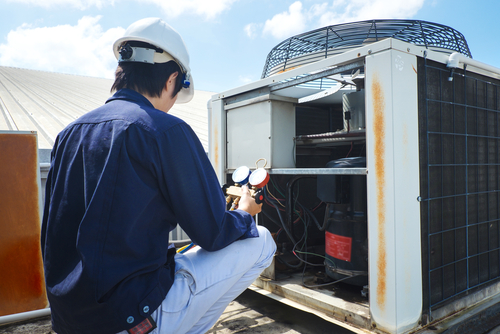 rooms of a home they service.
Whether a house is new or older, the heating and air conditioning equipment should always be sized to properly fit the home. Proper equipment sizing is dependent upon your home’s heat loss during cold temperature and heat gains during warm weather, and it is calculated making use of a design load formula. To determine if an HVAC method is the proper size, homeowners are capable of doing their very own calculations using software found at the website energystat.gov
A system that is properly sixed will might be more cost-efficient than a massive unit. A unit that is too huge will constantly cycle on and off, raising energy costs. Undersized equipment, with airflow that is insufficient, will decrease the efficiency no matter what the air distribution and increase wear on system components, leading to inadequate room temperatures and equipment failure.
However, installing new equipment isn’t always the reply when homeowners want to lower energy bills. Before an HVAC system needs to be replaced, it’s worthwhile to evaluate routine maintenance issues. One problem that can be remedied easily is stopping air leakage inside the home or around air ducts. These leaks can be resources of problems rather than the HVAC equipment itself. The homeowner or a contractor can seal ducts and pipes by using mastic or metal-backed tape, or an aerosol-based sealer. Once any leaks happen to sealed, the machine may be checked for optimal air flow. Whenever the air flows at proper levels, a house is comfortable and energy bills are usually more affordable. If fresh air is too high, duct leakage increases plus the temperature on the register isn’t sufficient for optimal home comfort. If fresh air is simply too low, air distribution efficiency drops and accelerates the wear on system components, causing discomfort in addition to premature failure of equipment.
There are several systems that can be checked when trouble-shooting HVAC systems. Thermostat settings could be adjusted to ensure comfort levels are maintained when relations are home and energy is conserved since they are away. Internal parts in the HVAC 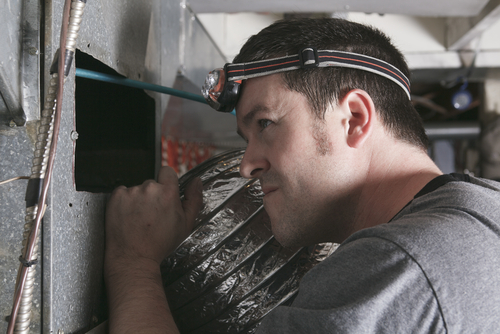 system might be lubricated for better operation and reduced electricity use. Evaporator and condenser air con coils can be cleaned and air con refrigerant levels can be checked and adjusted.
Homeowners can also extend the lifestyle of their system by staying on top of filter maintenance by inspecting, cleaning or changing filters at least once the three months. Filters should be alter monthly throughout the heavy-use summer and winter months. A unclean filter will slow down oxygen and create the internal system work harder to keep relations warm or cool and that wastes energy. A clean filter may also prevent dust and dirt from build up in the internal system that might result in expensive maintenance and/or early system failure. Routine maintenance can have a significant impact in the lifestyle and effectiveness in an HVAC system , in addition to cost to take care of a snug and active home.
Temple City Carpet and Air Duct Cleaning may very well be of assistant, whether if you need a an organization to give you professional air duct cleaning, water damage restoration, upholstery cleaning and even tile cleaning. Call Temple City Carpet and Air Duct Cleaning today at (626) 466-9837 and buy your free price estimate!